


Quick answer
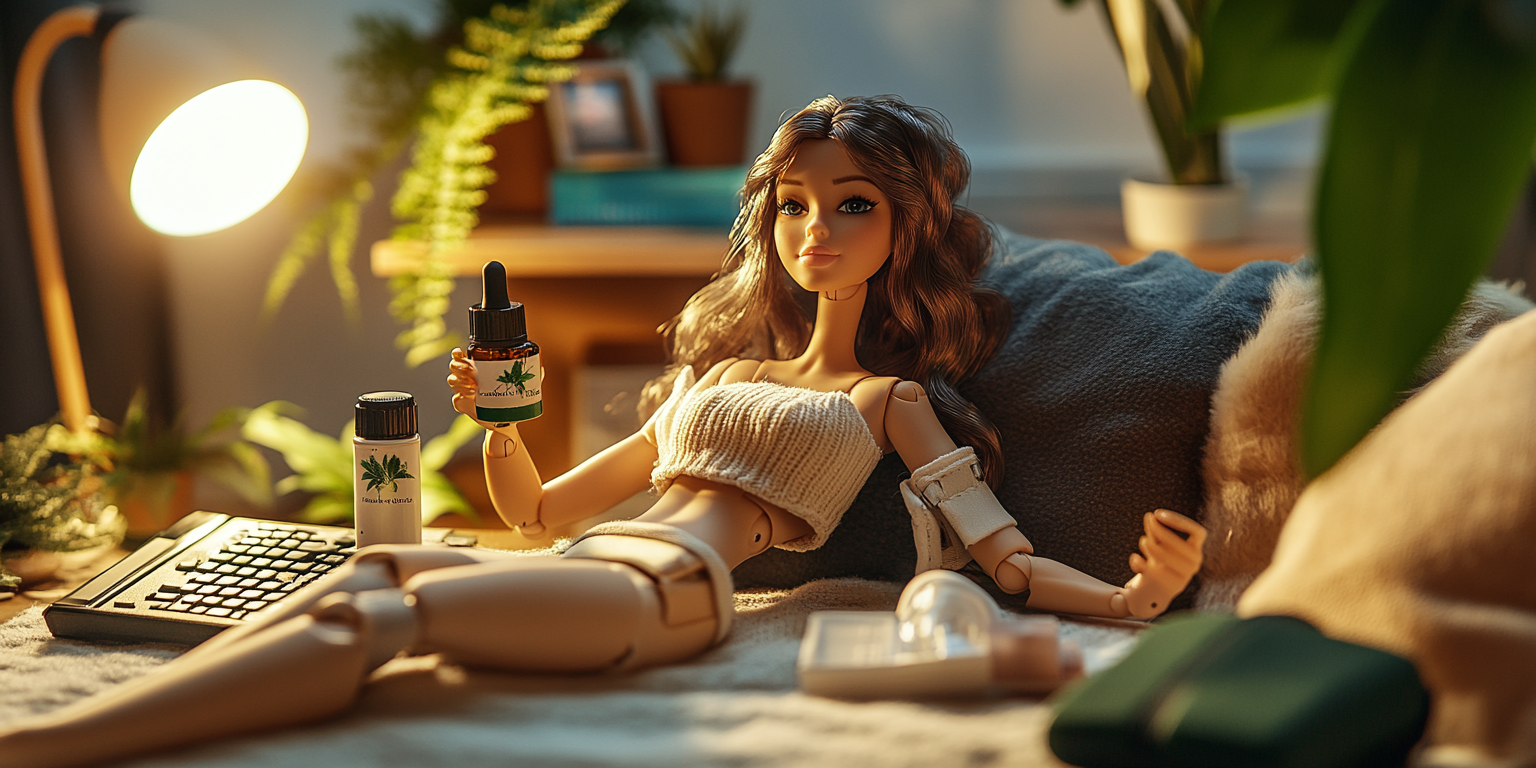
Can CBD help with carpal tunnel? Many of our people reach for CBD for carpal tunnel to help manage the wrist aches, stiffness, and restless nights that come with it, usually as a topical rubbed right on the wrist or as an oil taken under the tongue. CBD is not a cure and it will not make carpal tunnel disappear, but a lot of folks find it a helpful part of a bigger plan that also includes stretches, a better workspace setup, and a doctor’s guidance. This is educational, not medical advice.
Carpal tunnel syndrome can be a real pain, and we mean that literally. It can make everyday tasks harder than they should be, and a lot of people would rather feel better without reaching straight for a pile of pills. That is where CBD comes in. You have probably heard plenty about it and wondered whether this plant-based option could actually ease that bothersome wrist pain. So let us walk through what CBD is, and what place, if any, it has in helping with carpal tunnel troubles. When folks ask us about CBD for carpal tunnel, we always start with honesty.
This article by the Sisters of the Valley is for informational and educational purposes only and is not intended as medical advice. Nothing here should be used to diagnose, treat, cure, or prevent any condition, or to replace a conversation with your own doctor.
What exactly is CBD?

It is not what you might think
You have likely heard of CBD, but you might not be sure what it actually is. It is not some strange new thing, and you will not get high from it. CBD stands for cannabidiol, a natural compound found in hemp plants. It has grown popular because many people feel it supports their wellbeing, though plenty of folks still are not clear on what it is and is not. Think of it as THC’s calmer, more grounded relative.
Understanding the endocannabinoid system
Here is the slightly nerdy part, kept simple. Your body has something called the endocannabinoid system, or ECS, a network that helps keep things in balance, including mood, sleep, and how you experience discomfort. CBD interacts with this system, and many researchers see the ECS as one of the body’s important regulators. Your body even makes its own cannabinoid-like molecules to work with it, and CBD seems to lend that system a gentle hand.
CBD versus THC: the difference
For the record, CBD and THC are not the same thing. THC is the part of cannabis that produces a high. CBD does not produce those intoxicating effects. They can be as different as coffee and tea, both plant-based, but with very different effects. The hemp-based CBD products we make carry only a trace of THC, so you do not have to worry about feeling intoxicated. Here is a quick breakdown:
| CBD | THC | |
|---|---|---|
| Intoxicating? | No | Yes, it can produce a high |
| Commonly used for | Many reach for it for everyday discomfort and calm | Psychoactive effects |
| Legal picture | Hemp-based CBD is broadly available; rules are shifting | Depends heavily on your state |
Think of CBD as a kind of gentle support for the body. It is no magic bullet, but for some people it may be a useful part of a broader wellness routine while they work on their carpal tunnel symptoms from a few angles at once.
Why people are trying CBD for carpal tunnel
The inflammation connection
Carpal tunnel syndrome is often tied to swelling in the wrist that presses on the median nerve, which is what brings the pain, tingling, and numbness. CBD has drawn attention because some early research suggests cannabinoids may play a role in how the body handles inflammation, which is part of why people are curious about it here. We want to be careful and honest, though: this is an area still being studied, the evidence is far from settled, and CBD is not a proven treatment for the condition. The National Center for Complementary and Integrative Health notes only modest evidence so far for cannabinoids and chronic pain, so it is best to keep expectations grounded. A recent systematic review of CBD in pain points to its possible analgesic role while stressing that more rigorous study is still needed.
Easing aches and discomfort
Carpal tunnel can be genuinely uncomfortable, and many people turn to CBD hoping for some relief from those aches. CBD works with the body’s endocannabinoid system, and some folks describe it as helping to take the edge off discomfort rather than masking it outright. Responses vary a lot from person to person, so what helps one of our people may do little for another.
More than just discomfort
There may be more to it than discomfort alone. Some people say CBD helps them wind down for sleep, which can be hard when a hand is throbbing through the night, and if stress is making the symptoms feel worse, many find CBD calming as well. Some folks even reach for CBD for their pets’ nervousness. Here is a short summary of what people commonly hope for, framed honestly as reported experiences rather than promises:
- A calmer response to swelling (still under research)
- Help managing day-to-day discomfort
- Better wind-down before sleep
- A sense of calm when stress runs high
Finding the right CBD product for your hands
So you are thinking about CBD for your carpal tunnel. With so many options out there, how do you choose? Let us make it simple.
Topicals: rub it right in
Topical CBD, like a CBD salve or cream, is rubbed straight into the affected area. The lovely thing about a topical is that it lets you focus right where the trouble is, on the wrist and hand. Many people find a CBD cream before bed soothing for nighttime aches, without the foggy feeling some other remedies bring on. If you want to hear how folks have used our salve over the years, our CBD salve for pain post shares plenty of their stories.
The trade-offs: topicals are simple and targeted, but they may not reach deep discomfort and often need reapplying. They tend to suit mild-to-moderate stiffness and surface aches.
Oral options: oils, tinctures, and capsules
Oral CBD, like our capsules or tinctures, works by entering the bloodstream, so the effect is felt more broadly through the body rather than just at the hands. It is a more whole-body approach. Oral options can support overall discomfort and calm and tend to last longer, though they take more time to kick in and make it harder to target one spot like the wrist.
| Format | Best for | Onset |
|---|---|---|
| Topical salve or cream | Targeted wrist and hand comfort, surface aches | Applied as needed |
| Oil or tincture under the tongue | Whole-body discomfort and calm | Faster than capsules, lasts hours |
| Capsules | Simple once-a-day routine | Slower, since they are digested first |
Full spectrum, broad spectrum, or isolate?
This is where it gets a little technical, so here is the short version:
| Type | What is in it |
|---|---|
| Full spectrum | CBD with other cannabinoids and a trace of THC; some prefer it for the “entourage effect” |
| Broad spectrum | Similar range, but with the THC removed |
| Isolate | Pure CBD only, the most processed form |
Which is best? It truly depends on you. Some people swear by full spectrum, while others avoid THC entirely. You will hear names like Joy Organics and Aspen Green mentioned in this space, and you are welcome to compare them fairly. What we will say is this: we are a women-led sisterhood making our CBD by hand in small batches, and we would rather earn your trust with honesty and transparency than push you toward anyone else. If you want to read more about topicals for nerve discomfort specifically, our people wrote a fuller guide to CBD for back and nerve pain that is worth a look.
How to use CBD for carpal tunnel

Finding your dose
There is no one-size-fits-all dose of CBD. What works for a friend may not work for you, and that is perfectly fine. Low and slow is the rule. A general approach many people use:
- Start small: a modest amount to begin
- Notice: pay attention to how you feel over the next few hours
- Adjust gently: if you feel nothing, increase a little the next day
- Repeat: keep adjusting until you reach a comfortable spot
- Keep notes: a simple diary of amount and effect helps you dial it in
It takes a little patience, but most people find their sweet spot. And remember, you can always take a bit more, but you cannot take less once it is in.
Consistency matters
CBD is not always a quick fix. For some it acts quickly, while for others it takes time to build up. Try to use it regularly rather than only when the pain peaks, give it a week or two of steady use, and do not lose heart if you do not feel much at first. Think of it a little like a daily vitamin: the benefit, if it comes, tends to come from consistency.
When and how often
This depends on the product. With a topical, apply it to the wrist and hand when discomfort flares, reapplying through the day if needed. With oils and tinctures taken under the tongue, the effect can last hours, so once or twice a day is often enough; just follow the label. Capsules and edibles have a slower onset since they are digested first, and often a single daily dose does the job. Trust your body and adjust the timing: if nights are worse, many take it before bed; if days are harder, the morning may suit you better.
Real talk: what to actually expect
Watch for side effects
CBD is generally well tolerated, but nothing is entirely without side effects. Some people feel a little drowsy or notice dry mouth, appetite changes, or digestive upset. The NCCIH also notes CBD can affect liver function tests and interact with other medicines, so listen to your body, and if something feels off, lower the dose or stop and talk with your doctor.
It is not a miracle cure
Let us be very clear: CBD is not going to make your carpal tunnel vanish overnight. It is not a cure, and anyone promising that is probably trying to sell you something. What CBD may do is help some people manage symptoms like discomfort. Think of it as one tool in the toolbox, not the whole toolbox. You will likely still want to stretch, adjust your workstation, and see a doctor.
Give it time
Do not expect instant results. Unlike a fast painkiller, CBD often takes days or even weeks to build up before you notice a difference. Be patient and consistent. If self-help measures are not helping after a few weeks, it may not be the right fit for you, or you may need to revisit your approach with a professional. Everyone is different, so try not to be discouraged if it takes time to find what works.
Shopping smart: how to judge CBD quality
Look for lab testing
This part is essential. Every trustworthy CBD maker has its products tested by an independent third-party lab to confirm the CBD level is accurate and that there are no unwanted extras like heavy metals or pesticides. Look for a Certificate of Analysis on the company’s website, or a QR code on the product you can scan. If a brand cannot show you that, treat it as a warning sign.
Reading the label
CBD labels can feel like a code at first. Here is what to look for: a clear CBD potency in milligrams, a clean ingredient list without a pile of unpronounceable additives, a batch number that ties back to lab results, and an expiration date, since CBD does have a shelf life. Read slowly, and never be shy about asking questions.
Finding brands you can trust
How do you find the good ones? Read reviews and see whether people are happy with both the product and the service. Look for transparency, a real “about” page that tells you where the hemp comes from and how it is made, and openness about lab testing. A little digging is worth it to land on something safe and effective. This is exactly the openness our sisterhood tries to live by.
“We make our CBD by hand, in small batches, and we test every one so you know exactly what is in the jar. We will never tell you it cures anything. We will only tell you the honest truth and let our work earn your trust.”
the Sisters of the Valley
Pairing CBD with other carpal tunnel strategies

Ergonomics and your workspace
Your workspace may be feeding the problem. Keep your keyboard and mouse at a height that keeps your wrists straight and in line with your elbows. Set your chair so your feet rest flat and your knees sit near a right angle, which supports good posture and eases strain on the wrists. And get up to move every twenty to thirty minutes to keep things loose and the blood flowing. A solid setup is like giving your hands a small rest even while you work.
Stretches that help
Gentle stretches can take pressure off the median nerve. A few to try, holding each for fifteen to thirty seconds: a wrist extension stretch (arm out, palm down, gently easing the fingers back toward you), a wrist flexor stretch (arm out, palm up, gently drawing the fingers down and toward you), and a median nerve glide (making a fist, then spreading the fingers straight and flexing the wrist a few times to help the nerve move freely). Move gently and stop if anything sharpens.
When to see a doctor
CBD and these strategies can help, but it is important to know when to defer to a professional. Please see a doctor if your symptoms are severe or do not improve with home care, if your hand or fingers feel numb or weak, if you struggle to hold or grip things, or if symptoms drag on. A proper diagnosis matters, and a doctor can make sure you are on the right path.
Is CBD legal to use for carpal tunnel?
The legal landscape
Before you shop, a word on the legal side, which can be murky. The key thing to understand is that CBD is not the same as marijuana. Under federal law, hemp was separated from the legal definition of marijuana, and hemp-based CBD with only a trace of THC has been broadly available since then. Importantly, the federal rules are in flux right now, with recent changes moving toward a stricter total-THC standard that is still being put into practice, so the picture is genuinely shifting. Marijuana-based CBD is a different story and varies by state. For the current federal view, the FDA is the place to check.
State rules
Much of this comes down to the states. Some make hemp-based CBD easy to find from many sources; others have tighter rules, especially for anything marijuana-derived. Please check your own state’s laws, usually available on your state government’s website, before you buy.
Traveling with CBD
Planning a trip? What is fine at home may not be where you are headed, so look into the laws of any states you will pass through, especially across state lines. Play it safe by sticking with hemp-based CBD that carries only a trace of THC, and if you are flying, check the airline’s policy too. Better safe than sorry.
The road ahead for CBD and hand health
Researchers are still working to understand how CBD might help with conditions like carpal tunnel, looking at inflammation, pain signals, and nerve function in the hands and wrists. As products evolve, you may see CBD creams blended with cooling menthol or arnica, CBD patches that release slowly through the day, and more precise dosing. Experts urge a grounded approach: many feel CBD is worth a careful try for some people, while emphasizing that the evidence is still limited and that it works best as part of a wider plan with stretches, ergonomics, and professional care.
Wrapping up
So there you have it, our honest take on CBD for carpal tunnel. There is still research to be done, but many people do find some relief, and everyone is different, so what helps one person may not help another. If you are thinking about trying CBD, please talk with your doctor first, especially if you take other medications, since they can help you decide whether it is right for you and what form makes the most sense. At the end of the day, it is about finding what helps you feel better. If you would like to start with something handmade and lab-tested, you are always welcome to browse our CBD collection or visit us in Merced at 3144 G Street.
Frequently asked questions
What exactly is CBD?
CBD stands for cannabidiol, a natural compound from the hemp plant. The crucial point: it is not the same as THC, the part of cannabis that makes you feel high.
How does CBD work in the body?
CBD interacts with your endocannabinoid system, or ECS, which helps keep many functions in balance, including sleep, mood, and how you experience discomfort. CBD is thought to support the way that system does its job.
Will CBD make me feel high?
No. Hemp-based CBD carries only a trace of THC, not nearly enough to make you feel high. Our products are tested to confirm they meet that standard.
Why are people taking CBD for carpal tunnel?
Many hope it helps with the discomfort and swelling that come with carpal tunnel. Some research suggests cannabinoids may play a role in how the body handles pain signals and inflammation, though the evidence is still developing.
How do you use CBD for carpal tunnel?
Many massage a CBD salve or cream right onto the wrist and hand for targeted comfort. Others take it orally as an oil under the tongue, or as capsules and tinctures for a more whole-body effect.
Is it safe to take CBD with other medications?
Always check with your doctor first, since CBD can interact with some medicines, including certain blood thinners, antidepressants, and pain medications. Your doctor can advise on safety and dosing.
How do I find the right dose?
The right dose varies from person to person, so it is usually best to start small and increase gradually until you feel the effect you are after. Consistent daily use also matters.
How do I know I am getting a quality product?
Look for products tested by an independent third-party lab, shown through a Certificate of Analysis. That confirms the product is pure and that the CBD amount on the label is accurate.
Shop with the Sisters
If you would like to try handmade, lab-tested CBD for wrist and hand discomfort, explore our CBD salves or browse the full CBD collection. Questions first? You are always welcome to visit us in Merced at 3144 G Street.


Comments are closed.